Car Jump Start Service in Gilbert AZ: What to Do Before Help Arrives
A dead battery rarely picks a convenient time. In Gilbert, it often shows up in the middle of a school pickup line, outside a grocery store on a hot afternoon, or in a driveway when you are already late for work. The engine clicks once, the dash flickers, and suddenly a routine trip turns into a delay that can eat up an hour or more.
Most drivers think the hard part is finding a car jump start service. That matters, of course, especially if you are searching for a reliable jump start service near me and need someone who can get to your location fast. But what you do in the first ten minutes matters just as much. Those minutes can improve safety, help the technician reach you faster, and in some cases prevent a battery issue from becoming an electrical or charging-system problem.
In Gilbert, the conditions add their own complications. Arizona heat is hard on batteries. It accelerates fluid loss, stresses internal components, and shortens battery life more than many people expect. A battery that seemed fine in spring can struggle by late summer. I have seen plenty of vehicles that started normally in the morning and would not crank at all by midafternoon after sitting in direct sun.
If you are waiting on roadside assistance Gilbert AZ drivers can actually count on, the best approach is simple: stay safe, confirm the problem, avoid common mistakes, and be ready when help arrives.
Start with safety, not the battery
The first question is not whether you need a jump. It is whether your location is safe enough to wait.
If the car dies in a parking lot, you usually have room to think. If it stalls or refuses to start on the shoulder of a busy road, in a turn lane, or near an intersection, safety comes first. Turn on your hazard lights immediately. If you can coast or push the vehicle to a safer spot without putting yourself at risk, do that. If not, stay inside the vehicle with your seat belt on unless remaining inside creates a greater danger.
Gilbert roads can be deceptively busy, especially during commute hours and around retail areas. Drivers often focus on traffic flow, not a disabled vehicle sitting ahead. A roadside stop that looks manageable in daylight can become dangerous fast if visibility is low or traffic is moving at speed.
Before you call for emergency roadside assistance, take a breath and quickly assess the scene.
- Turn on hazard lights and set the parking brake.
- Move the vehicle only if you can do it safely.
- Stay well clear of traffic if you need to exit the car.
- Keep children and pets inside the vehicle or away from the road.
- If you smell fuel, see smoke, or notice sparking, do not attempt a jump.
That last point deserves more attention than it usually gets. A dead battery is one thing. An electrical fault is something else entirely. If the vehicle has a burning smell, visible corrosion around cables, melted insulation, or signs of overheating, a jump start may not be the right answer. In that case, emergency breakdown service is a better request than a simple battery boost.
Make sure it is actually a battery problem
Drivers often assume a no-start condition means the battery is dead. Sometimes that is true. Sometimes it is not.
A classic dead battery usually gives a few familiar clues. You turn the key or press the start button and hear rapid clicking, one solid click, or nothing at all. Interior lights may be dim. The dashboard may flicker or go dark. Power windows may move sluggishly. These signs usually point to low voltage.
But not every no-start situation needs a car jump start service. If the engine cranks normally but will not fire, the issue may be fuel delivery, ignition, or another mechanical problem. If the dashboard lights come on bright and normal but the starter does nothing, you may have a starter issue, a faulty brake switch, a bad neutral safety switch, or a key fob problem in push-button vehicles. If you have just run out of gas, what you need is emergency fuel delivery, not a battery jump.
This matters because it saves time. When you call mobile roadside assistance, the details you give can help them send the right support. A good dispatcher will ask what the vehicle is doing, not just what you think is wrong. That distinction prevents a lot of wasted trips.
A simple example: if your headlights are bright, accessories power on normally, and the engine cranks hard but does not start, a battery jump may not solve anything. If the car is parked near a fuel station and the gauge is below empty, fuel delivery near me becomes the more useful search. If one tire is visibly shredded and the vehicle is sitting unevenly, flat tire assistance makes more sense than a battery call. Good roadside service depends on good information.
Heat changes how battery failures show up in Arizona
In colder climates, battery trouble often appears on freezing mornings. In Gilbert and the broader East Valley, heat does more damage over time. It dries out internal battery components, speeds corrosion, and can cause a battery to weaken in a way that feels sudden even when it has been deteriorating for months.
That is why many battery failures in Arizona happen after the engine has already been driven. The alternator and under-hood temperatures rise, the car gets parked in a hot lot, and when the driver returns twenty minutes later, the battery no longer has enough reserve to turn the engine over. It feels random, but the heat has usually been working on that battery for a long time.
This also explains why some drivers get a jump, drive home, and then face the same problem the next morning. A jump can restart the vehicle, but it does not restore battery health. If the battery is old, deeply discharged, or internally damaged, the boost is only temporary. The alternator can recharge some batteries after a jump, but not all of them, and not always fully.
If your battery is more than about three to five years old in Arizona, it deserves extra suspicion. Lifespan varies by driving habits, vehicle type, and exposure, but desert heat shortens the range enough that “it was fine last month” does not prove much.
What to do while you wait for help
Once you have requested roadside assistance near me and confirmed that a technician is on the way, your job becomes easier, but not passive. There are a few smart moves that make the visit quicker and safer.
First, turn off everything electrical that you can. Shut off the air conditioning, radio, headlights if conditions allow, seat heaters, chargers, and any accessories plugged into outlets. This reduces load when the jump is attempted and helps the battery accept what charge it can.
Second, make sure the vehicle is in park, or in neutral if the vehicle requires it and you are familiar with its procedure, with the parking brake firmly engaged. On some vehicles, especially hybrids and certain imports, the battery may be in the trunk or under a seat rather than under the hood. If you know where it is, great. If not, do not start disassembling panels unless the access is obvious and safe.
Third, locate your exact position. This is one of the biggest time-savers when calling roadside assistance Gilbert AZ providers. “I am in a shopping center in Gilbert” is not enough. Shopping centers have multiple entrances, long frontages, and rows of parking. The driver needs a pin, a storefront name, a cross street, or a landmark that makes your vehicle easy to spot.
This is especially true if you are requesting roadside assistance Phoenix area wide or close to city boundaries where dispatch coverage overlaps. A clear location cuts down on callbacks and missed turns.
When speaking with dispatch, these details are the most helpful:
- Your exact location, including cross streets or a business name.
- Vehicle year, make, model, and color.
- What happens when you try to start it.
- Whether the car is in a safe parking spot or in traffic.
- Any special issue, such as a locked gate, parking garage, or low-clearance access.
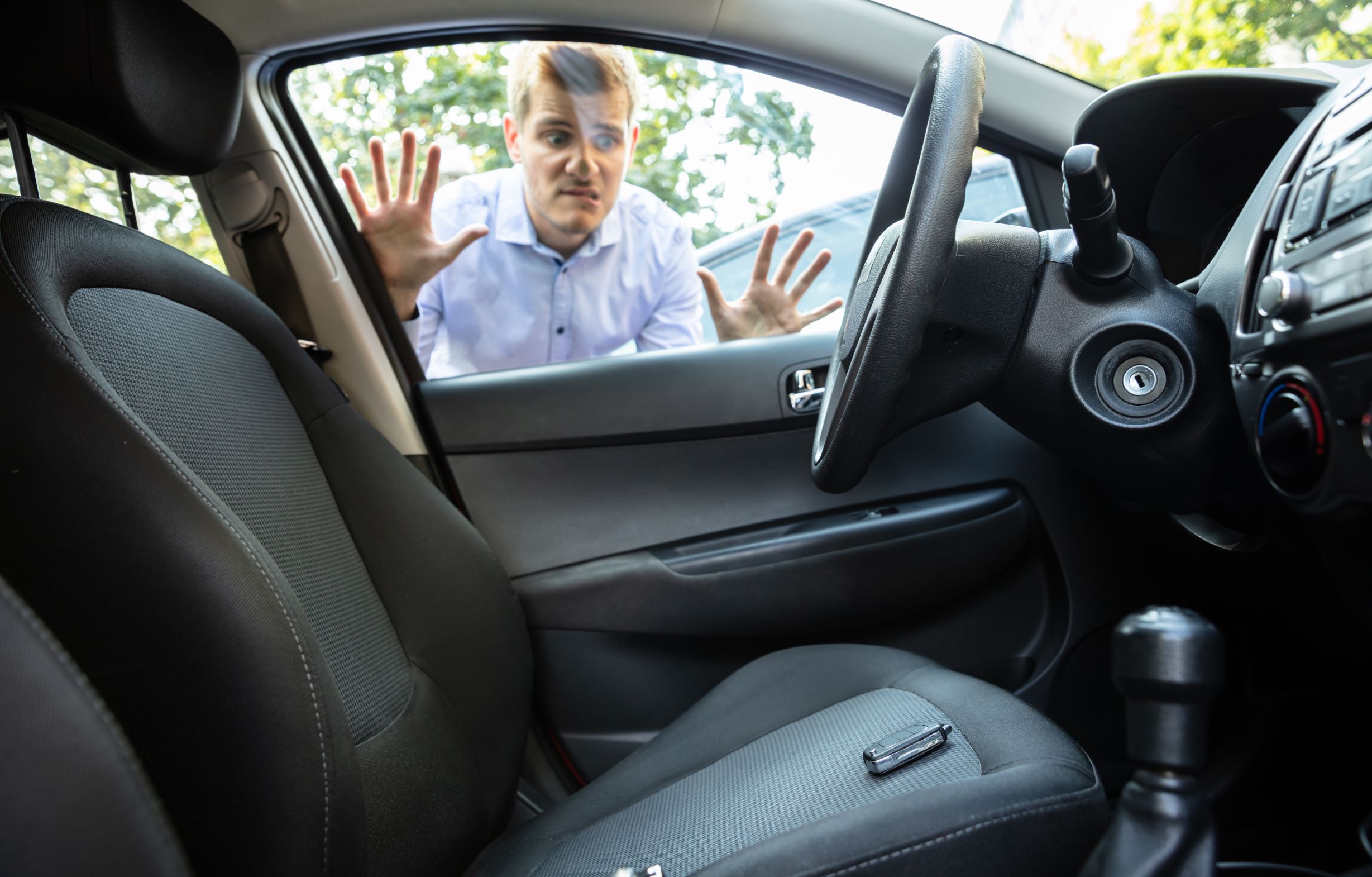
These details also help if the issue turns out to be something else. If the dispatcher hears that the vehicle is unlocked but the keys are inside, they may route a vehicle lockout service instead. If the driver mentions a flat and no spare, that becomes a flat tire repair near me call. A well-run service can adapt, but only if they know what they are walking into.
Should you ask a stranger for a jump?
Sometimes yes. Often no.
In a calm parking lot, with another willing driver, proper jumper cables, and no obvious battery damage, a manual jump can be reasonable. Plenty of people still help each other that way, and when it is done correctly it can save time. But the risks are real. Modern vehicles have sensitive electronics. Incorrect cable placement can blow fuses, damage modules, or create sparks. Poor-quality cables may not carry enough current. Corroded terminals can make the process unreliable. And if the battery is cracked, leaking, or severely swollen, attempting a jump is a bad idea.
I tend to be cautious here. If you know how to connect jumper cables properly and the setup is straightforward, it can work fine. If there is any hesitation, if the battery location is unusual, or if the donor vehicle owner seems unsure, calling a professional car jump start service is usually the better choice.
Portable jump packs have changed this equation somewhat. Many roadside technicians now use commercial-grade packs rather than relying on a donor vehicle. That reduces the chance of voltage spikes between cars and makes the process quicker in tight parking areas. It is one reason professional mobile roadside assistance can feel more controlled than flagging down help from the next parking space over.
Common mistakes that make a bad situation worse
The most expensive battery calls are not always the hardest ones. They are often the simple ones that went sideways because someone forced the issue.
One common mistake is repeated start attempts. Drivers will hold the key or push the button over and over, hoping the engine catches on the tenth try. If the battery is already weak, repeated attempts drain it further and can overheat the starter. A couple of quick tests are fine. Twenty tries are not.
Another mistake is leaving accessories on while waiting. Running hazard lights is important for safety, but running the blower motor, radio, phone charger, and cabin lights for thirty minutes on a dead battery does not help. If the battery is marginal rather than fully dead, that extra load can be the difference between a quick boost and a battery that will not hold enough power to engage at all.
Then there is the assumption that one successful jump means the problem is solved. It might be. If a dome light was left on overnight and the battery is otherwise healthy, a jump may be all you need. But if the battery fails again later that day, or if the vehicle dies soon after starting, the issue may involve the alternator, battery cables, charging system, or battery age. At that point, continuing to rely on jump starts is not a plan.
I have also seen drivers try to clean terminals or tighten clamps in unsafe places, especially on road shoulders. Mechanical curiosity is fine in a driveway. It is different when trucks are passing three feet away at speed. That is exactly when emergency roadside assistance near me becomes a safety service, not just a convenience.
If your car starts before the technician arrives
This happens more often than people expect. A battery cable settles, the vehicle cools slightly, or the battery recovers just enough surface charge to crank once more. Do not assume the issue has vanished.
If the vehicle starts and you are still in a safe location, let it idle briefly, then consider whether driving is wise. If you are close to home or to a reputable repair shop, driving there may make sense. If the dashboard shows a battery warning light, if the headlights dim at idle, or if the engine stalls, you may be dealing with a charging problem and should not count on making it far.
This is where judgment matters. A weak battery might restart after a short stop, or it might leave you stranded again at the next gas station. If you are unsure, keep the roadside provider updated. Many emergency breakdown service companies would rather adjust the call than have you end up in a worse spot twenty minutes later.
Why the service call is about more than cables
A professional jump start visit is not just someone clipping on leads and telling you to drive around the block. A good technician looks at the overall picture. Are the terminals heavily corroded? Does the battery appear swollen from heat? Do the clamps fit tightly? Does the vehicle hold idle after starting? Are there obvious signs that the alternator is not supporting the system?
Not every roadside operator performs battery diagnostics, and not every no-start can be fully diagnosed on site, but experience counts. A veteran technician can often tell the difference between a simple discharge and a battery that is at the end of its life. That is useful because it changes what you do next. If the car starts but the battery is clearly failing, you should head for testing or replacement soon rather than treat the jump as a permanent fix.
This broader perspective is part of what people are really paying for when they search jump start service near me or mobile roadside assistance. They are not just buying a boost. They are buying time, safer handling, and a better chance of not getting stranded again the same day.
Other roadside problems that get confused with battery failure
Roadside calls tend to blend together because many drivers just know the vehicle will not go. In practice, the category matters.
A lockout is its own issue. If the battery is dead and your power locks are not responding, some drivers assume the keyless system itself has failed. In reality, you may need a physical key method or car lockout service near me if the keys are inside and the battery prevents remote access. A proper vehicle lockout service can usually handle that without damaging trim.
A flat tire can also create confusion. Some modern vehicles trigger multiple warning lights after a blowout or severe low-pressure event. Drivers see lights, feel drag, and stop, then wonder if the electrical system is failing. In those cases, flat tire assistance or flat tire repair near me is the right request. If the spare is inaccessible, missing, or you are parked in a dangerous location, calling matters more than trying to improvise.
Running out of gas is another common one, especially when gauge accuracy is questionable on older vehicles or after long idling in heat. Emergency fuel delivery is often faster and safer than walking to a station with a can, especially on arterial roads. Searching fuel delivery near me is not glamorous, but it beats standing roadside in 105-degree heat with traffic at your back.
The point is simple. Be open to the possibility that your first guess is wrong. A good roadside assistance Phoenix roadside assistance Gilbert AZ or Gilbert provider should be able to triage the situation and route the right help.
What Gilbert drivers can do to prevent the next no-start
Prevention is not complicated, but it does require paying attention before the failure.
Battery testing once or twice a year is smart in Arizona, especially before summer and before holiday travel. If the battery is aging, replacement on your schedule is almost always cheaper than a roadside failure on the hottest day of the month. Clean terminals matter. Tight connections matter. So does noticing early warning signs such as slow cranking, flickering electronics at startup, or the need for multiple start attempts after short stops.
If your vehicle sits for long periods, that changes the equation too. Cars that are driven infrequently often develop battery issues because they never fully recharge. Short trips with heavy air-conditioning use can also leave the battery undercharged over time.
A small habit change helps more than people think: when you shut the car off, pause and look. Headlights off. Dome lights off. Nothing charging that does not need to be charging. Many “sudden” dead batteries come from ordinary distractions.
The real goal while you wait
When your car will not start, the instinct is to solve the problem immediately. That makes sense. But while help is on the way, the better goal is narrower: avoid making things worse.
Stay visible. Stay safe. Give accurate information. Do not force repeated starts. Do not gamble with traffic to save a few minutes. If you need roadside assistance near me, ask for it early rather than after a risky DIY attempt fails.
In Gilbert, where heat punishes batteries and schedules leave little room for delays, a dead battery is common enough that it barely feels remarkable. What separates a manageable inconvenience from a dangerous roadside episode is usually not the battery itself. It is what the driver does before the technician gets there.
If you handle those first minutes well, a car jump start service becomes exactly what it should be: a short interruption, a professional fix, and a clear next step instead of a day unraveling in a parking lot.
Our Sponsor
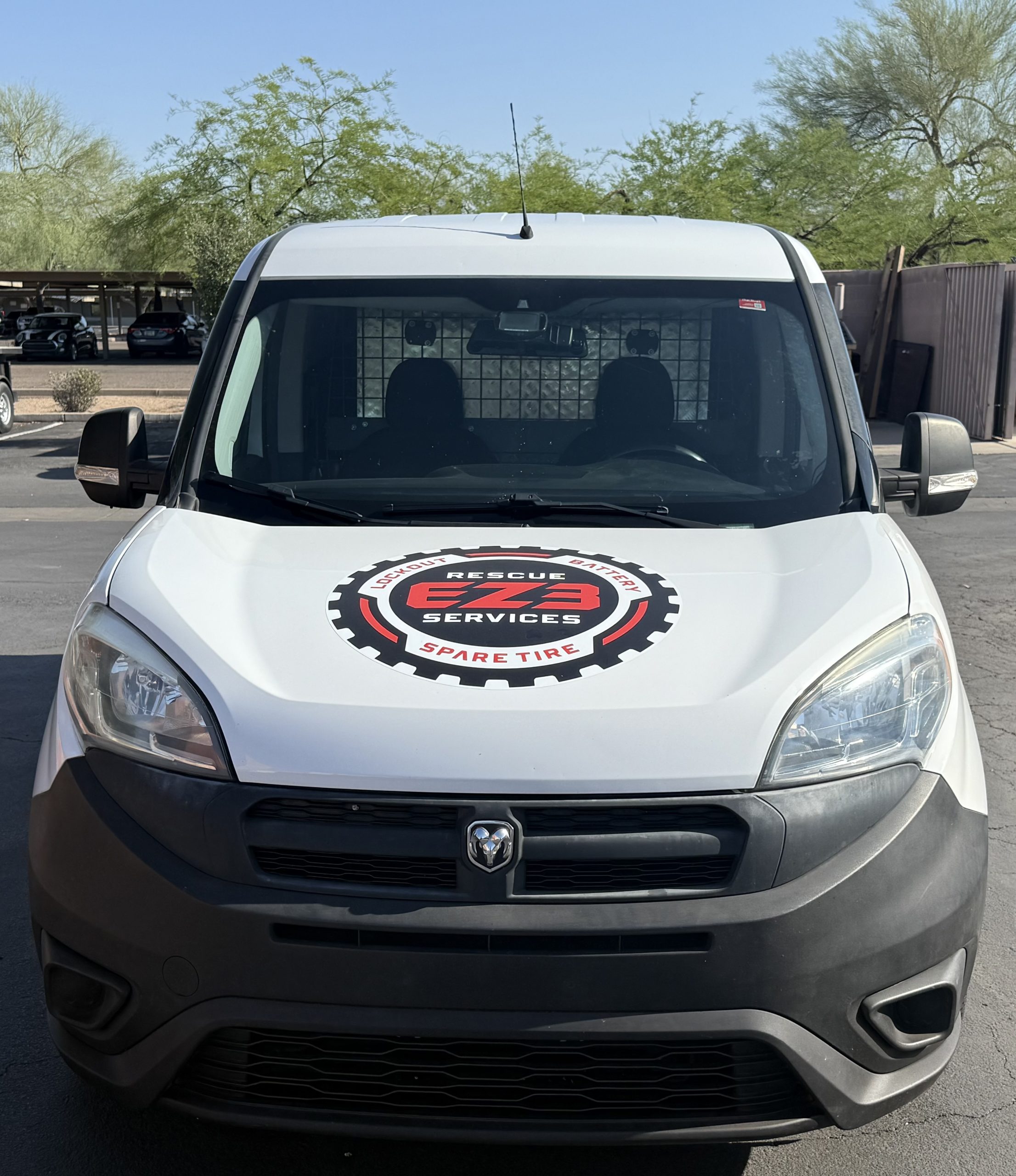
EZ3 Roadside Rescue Services
EZ3 Roadside Rescue Services is a Gilbert-based roadside assistance provider serving drivers throughout Gilbert and the greater Phoenix, Arizona area. The company provides fast, professional roadside assistance for common vehicle emergencies, including flat tire repair and tire changes, battery jump starts, emergency fuel delivery, vehicle lockout assistance, lug nut removal, battery replacement, and emergency breakdown assistance. EZ3 Roadside Rescue Services is available 24/7 to help stranded motorists get safely back on the road.
Address:
922 N Colorado St,
Gilbert,
AZ
85233,
United States
Phone: (480) 710-5902
Business Hours:
- Open 24/7 — Emergency Roadside Assistance Available
Follow Us: